Drain Cleaning Grapevine TX
Historic District drain cleaning

Drain Cleaning in Historic District, Grapevine, TX

Historic District blends 1900s bungalows, Victorian-era homes, and a lively Main Street commercial core. Behind those charming facades often sits drain piping installed generations ago, altered by remodels, additions, and tie-ins that were never designed as one system. We repair and replace drain lines across downtown's homes, shops, and restaurants, working neatly around finished interiors and busy storefronts.

817
Local area code
76051
Service ZIP code
Fall maintenance checks
Current season focus

About this area

Why drain cleaning in Historic District matters

Why we serve here

Historic District's housing stock spans Victorian homes, 1920s bungalows, and mid-century cottages, mixed block by block with restaurants and retail. Remodels over the decades have spliced new pipe into old systems, sometimes without permits or camera inspections. That patchwork, combined with the busy Main Street commercial corridor, is why downtown generates some of our most involved diagnostic work in Grapevine.

Drain service for downtown's historic core

A downtown bungalow might have original cast iron pipe in the walls, a copper add-on from a 1980s kitchen remodel, and a flexible connector installed last year. Three eras of work meet at a single manifold, and each era corrodes and fails differently. We trace the full system, identify which segments are sound and which are not, and repair with an eye toward the next fifty years, not just the next inspection.

The commercial side of downtown, from downtown restaurants to Main Street shops to converted houses now operating as businesses, keeps commercial drains working hard for long hours. Mixed-use buildings complicate things further: a restaurant kitchen below and apartments above means a single aging line serves very different demands. We size and repair these systems so both sides stay safe.
How we work locally

How drain cleaning is executed in Historic District

Challenge: Remodels that disturbed old lines

Decades of renovations have cut into, rerouted, and spliced downtown's original drain piping, leaving undocumented joints and mixed materials behind walls.

Solution: We pressure-test zone by zone to map what is actually in the walls, then bring the disturbed sections up to code with documented, testable connections.

Challenge: Mixed commercial and residential demand

A single service line may feed a restaurant kitchen at street level and apartments upstairs, with neither side aware of what the other draws.

Solution: We evaluate total connected load, confirm the service and branch lines are adequately sized, and separate or upgrade runs where demand exceeds capacity.

Where we work

Main StreetPalace Theatre districtNorthwest HighwayDove RoadHistoric District bungalowsHistoric commercial row

Where we work

Historic District

Latitude: 32.9342

Extract Directions

Case files

Illustrative scenario: 1

Victorian home near Main Street

Challenge

During a kitchen remodel, the contractor found brittle, undocumented drain piping behind the original plaster.

Execution

We mapped the branch with camera inspections, replaced the deteriorated sections with approved piping, and added an accessible cleanout for the new fixtures.

Impact

The remodel proceeded with a tested, documented drain system, and the homeowner kept the original plaster intact in the surrounding rooms.

Illustrative scenario: 2

Restaurant on Main Street

Challenge

Staff noticed slow drainage at the dish station during peak hours, pointing to a grease-choked branch line.

Execution

We camera-inspected the kitchen branch, then hydro jetted a constricted section of grease-choked pipe feeding the dish station.

Impact

Flow was restored at every fixture, and the owner received a written summary of the system's condition for their files.

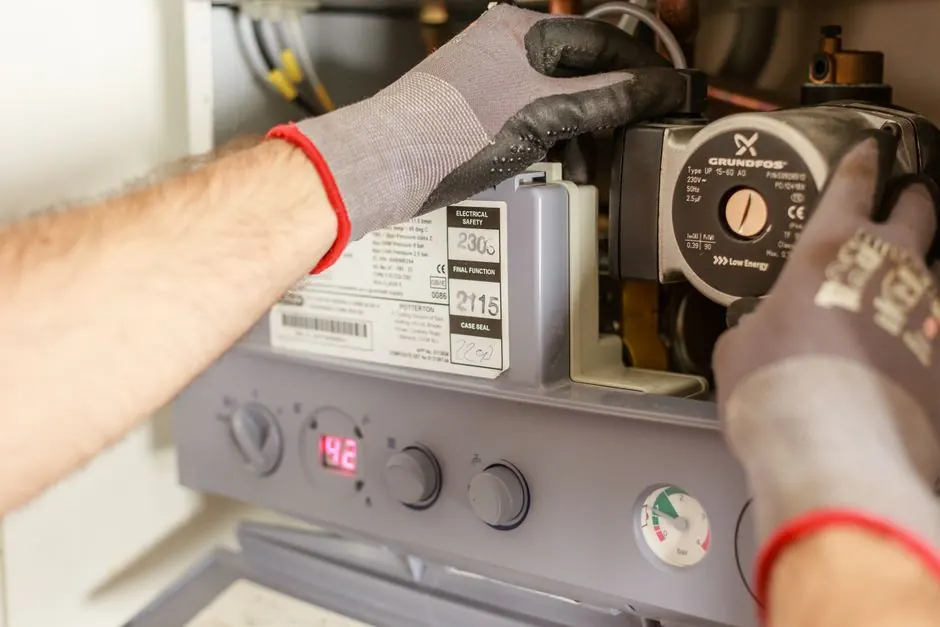
Technician performing drain line maintenance in Historic District, Grapevine, TX
Our track record
Our track record

Drain work the downtown way

What careful drain work looks like in a mixed-use historic core

Historic District jobs reward patience: test first, open little, and assume every wall hides a surprise from a past remodel. We document the system as we find it, including materials, routing, and cleanout locations, so owners finally have a clear picture of their own piping. Repairs follow current code, get camera-verified, and come with written findings you can hand to the next contractor who works in the building.

Every
visit documented with written findings

Local questions

Do you work on Victorian and bungalow-era homes downtown?

Yes. Historic District has homes from the 1900s through the 1950s, and we regularly work in all of them. We use camera inspection and camera inspection to find problems precisely, keep wall openings minimal, and protect original plaster, trim, and flooring.

What drain problems do downtown remodels usually uncover?

Undocumented splices, mixed pipe materials, abandoned live branches, and lines that were nicked or rerouted during past renovations. A pre-remodel drain inspection catches these before drywall goes up.

Can you handle drains for downtown restaurants?

Yes. We service Main Street kitchens, covering grease traps, interceptors, floor drains, and fixture connections, and we recalculate capacity when equipment is added or changed. We schedule around service hours where possible.

My building has shops below and apartments above. Is that a problem?

Mixed-use buildings need the drain system evaluated as a whole, since one main line often serves very different uses. We check sizing, separation, and cleanout access for both the commercial and residential sides.

What should I do if I smell sewage downtown?

Stop using water, keep clear of the affected area, and call us at (817) 803-8048 right away. After the utility clears the scene, call us at (817) 803-8048 to find and fix the piping problem.

Professional standards

How we protect your property

Historic District buildings carry a century of other people's work inside the walls. We treat every job as a diagnostic exercise first: map the system, test it, and only then repair. All work follows current plumbing code, gets camera-verified on completion, and is documented in writing, including cleanout locations, which downtown owners often do not know.

Diagnostic-first approach We map and inspect before opening anything
Camera verification Every cleaning verified with a camera re-check
System documentation Routing and cleanout locations recorded in writing
When To Call

Signs you need drain cleaning in Historic District

In downtown's older homes and mixed-use buildings, drain trouble often hides behind finished walls. These are the signs that deserve a professional look.

1. Sewer odor in an older home

A rotten-egg smell in a bungalow or Victorian usually means a trap has dried out or a vent has failed. Because downtown homes often have layered piping from multiple remodels, the source is not always near the smell. Leave the house and call for an inspection.

2. Stains or water marks around fixtures

Dark rings in a tub or water marks under a sink suggest slow drainage or a seep that deserves attention. Do not keep using the fixture until the drain is checked.

3. Fixtures that will not drain

A fixture that keeps clogging can indicate a deeper problem, but in downtown's older systems it also points to flow restrictions in aging branch lines. Either way, it warrants a look.

4. Slow drains that keep coming back

When drains slow again weeks after a quick fix, the real blockage is usually deeper than the snake reached. A camera survey will find it.

5. Visible corrosion on exposed piping

Basements, crawl spaces, and utility closets in downtown buildings often show the system's true age. Flaking rust or greenish corrosion on copper joints means those sections are deteriorating and should be evaluated.

Local Problem Patterns

Common drain cleaning problems in Historic District

Historic District's pattern is distinct: not just old pipe, but old pipe that has been cut into, spliced, and rerouted by generations of remodelers.

Undocumented splices from past remodels

Why it happens here

Kitchen and bath remodels over the decades have left hidden joints, capped stubs, and mixed materials inside downtown walls, sometimes installed without permits or testing.

Our approach

We locate hidden connections with pressure-zone testing, remove what is unsafe, and rebuild those sections with documented, testable joints.

Mixed pipe materials in one system

Why it happens here

Steel, copper, and flexible connectors from different eras meet in downtown manifolds, and dissimilar metals corrode faster where they join.

Our approach

We identify every material transition, replace corroded junctions, and use proper dielectric separation where different metals must meet.

Abandoned live branches

Why it happens here

When fixtures were removed during remodels, their branch lines were sometimes capped, or just left, inside walls and floors.

Our approach

We trace every branch to its end, properly terminate or remove dead runs, and verify nothing is still pressurized behind finished surfaces.

Undersized service for commercial additions

Why it happens here

A residential-size service line cannot always support a restaurant buildout or added commercial equipment on the Meadowmere Park area.

Our approach

We calculate total connected load for the building and upsize the service or branch lines so commercial equipment gets full, stable pressure.

What to Expect

What to expect when you call in Historic District

Serving Historic District and nearby Grapevine neighborhoods

Call (817) 803-8048 to schedule a visit

1

A few targeted questions

We ask about the building's age, what you have noticed, and whether it is residential, commercial, or mixed-use. Historic District's layered systems reward good information, so the more you can tell us, the better prepared we arrive.

2

Testing before cutting

Camera inspections and camera inspection come first. In a building with a century of remodels, guessing wrong means opening the wrong wall. Diagnostics keep the work precise and the plaster intact.

3

A clear written record

You get findings in writing: what failed, what was repaired, test results, and cleanout locations. For mixed-use buildings, that record is genuinely useful the next time anyone works on the property.

Cost Factors

What affects drain cleaning cost in Historic District

Historic District jobs are priced on what we find, not on a flat menu. A single accessible fitting and a wall full of undocumented splices are very different jobs. Older buildings with finished interiors take more careful labor, and mixed-use properties add sizing calculations. Call (817) 803-8048, describe the building and the symptom, and we will explain the likely scope before work begins.

Scheduling downtown: We schedule service visits across downtown Grapevine and the surrounding neighborhoods. For restaurants and shops, mention your hours when you call so we can plan work around your business.

1

Extent of damage

Historic District's surprises live inside walls: one failed fitting is straightforward, but a web of undocumented splices takes diagnostic time. The scope we uncover during testing drives the final cost.

2

Materials used

Approved piping, valves, and connectors are chosen for the building's needs, and in mixed-use properties, commercial-rated components may be required. We walk through the options before starting.

3

Labor costs

Finished plaster, tight crawl spaces, and working around open businesses all add careful labor. We quote the time the job actually needs rather than rushing historic fabric.

Year-Round Coverage

How seasons affect drains in Historic District

Historic District's old buildings feel every North Texas season, and the drains inside them feel it too.

Spring

Spring storms can flood downtown crawl spaces and shift soil around buried service lines, stressing older joints.

Tip

If your building takes on water in a storm, have the drain systems checked once things dry out. Moisture accelerates corrosion on old pipe.

Summer

Peak heat drives restaurant volume and strains aging commercial kitchen drains, while expansion and contraction work on old joints.

Tip

Historic District kitchens should be inspected before the summer rush. A failure during peak season costs far more than a checkup.

Fall

Heating equipment wakes up after months idle, and the first cold snap exposes weak ignition and pressure issues in old lines.

Tip

Fire up heaters and fireplaces early in the season and note any odors, sooting, or ignition trouble.

Winter

Brief hard freezes can affect exposed piping and condensate in unconditioned areas of old downtown buildings.

Tip

Locate your cleanouts before winter arrives. In mixed-use buildings, make sure both the commercial and residential sides know where they are.

Hiring Smart

Questions to ask before hiring drain cleaning in Historic District

Historic District's layered buildings make contractor selection matter. Ask these before anyone starts work.

  1. 1

    "How do you handle undocumented piping?"

    Why it matters

    The right answer involves testing and mapping, not guessing. Ask how the contractor will find hidden splices and abandoned branches before opening walls.

  2. 2

    "Will you test the whole system or just the repair?"

    Why it matters

    In a building with mixed-era piping, a repair in one spot does not guarantee the rest. Ask whether the visit includes a system-wide pressure check.

  3. 3

    "How will you protect finished interiors?"

    Why it matters

    Original plaster, trim, and flooring are expensive to restore. Ask specifically how openings will be kept minimal and how surfaces will be protected.

  4. 4

    "Do you document cleanout locations?"

    Why it matters

    Many downtown owners do not know where their cleanouts are. A good contractor records them and shows you, because it matters in an emergency.

  5. 5

    "Can you work around my business hours?"

    Why it matters

    For Main Street businesses, downtime is lost revenue. Ask how commercial work is scheduled to limit disruption.

Knowing the Area

Landmarks and points of interest in Historic District

Historic District's landmarks are our daily service territory. We navigate its one-ways, alleys, and limited parking as a matter of routine.

Landmarks

  • Historic Main Street

    Main Street anchors downtown's commercial core. The restaurants and shops around it keep our commercial drain work steady year-round.

  • Victorian-era homes

    Streets near Main Street hold some of Grapevine's oldest residences, with original piping that predates modern codes by decades.

  • Early-1900s bungalows

    The bungalow blocks around downtown mix original cast iron pipe with remodel-era additions, which is the classic layered system.

Commercial Districts

  • Palace Theatre district

    Historic District's busy commercial strip, where restaurants and converted buildings run kitchens and restrooms hard for long hours.

  • Northwest Highway

    A key downtown artery lined with shops and offices in converted historic structures.

Transport & Access

  • Dove Road

    Runs through the historic core with a mix of civic buildings, shops, and older homes.

  • Historic District parking and alleys

    Tight access is normal downtown. We plan service vehicle placement and arrival times around business hours and events.

Service Area

drain cleaning Coverage Across Historic District & Tarrant County

We schedule routine visits for homes and businesses across Tarrant County, centered on the ZIP code below.

76051
!

Reliable drain cleaning in Historic District

For dependable drain cleaning in downtown's historic core, call a team that diagnoses before it cuts. We map layered systems, repair to code, and leave you with a clear written record. Call (817) 803-8048 today!

Request service
Call Now: (817) 803-8048